Skip to Content

Ladeeda vs. OhMy

The ultimate comparison for EV Charger Pedestals.

Compare Ladeeda and OhMy EV charger pedestals and discover why stainless steel and Qualicoat powder coating are superior to aluminum and polyester paint for durability and quality.  

View Our Stainless Steel Pedestals

Why not all EV Charger Pedestals are created equal

When choosing an EV charger pedestal for your electric car, many options may seem similar at first glance. But the devil is in the details. The material, finish, and construction determine whether your investment lasts 5 years, or 25+ years. 

In this comparison, we put the two best-known Belgian brands side by side: Ladeeda and OhMy. We dive deep into the technical specifications to help you make the right choice.

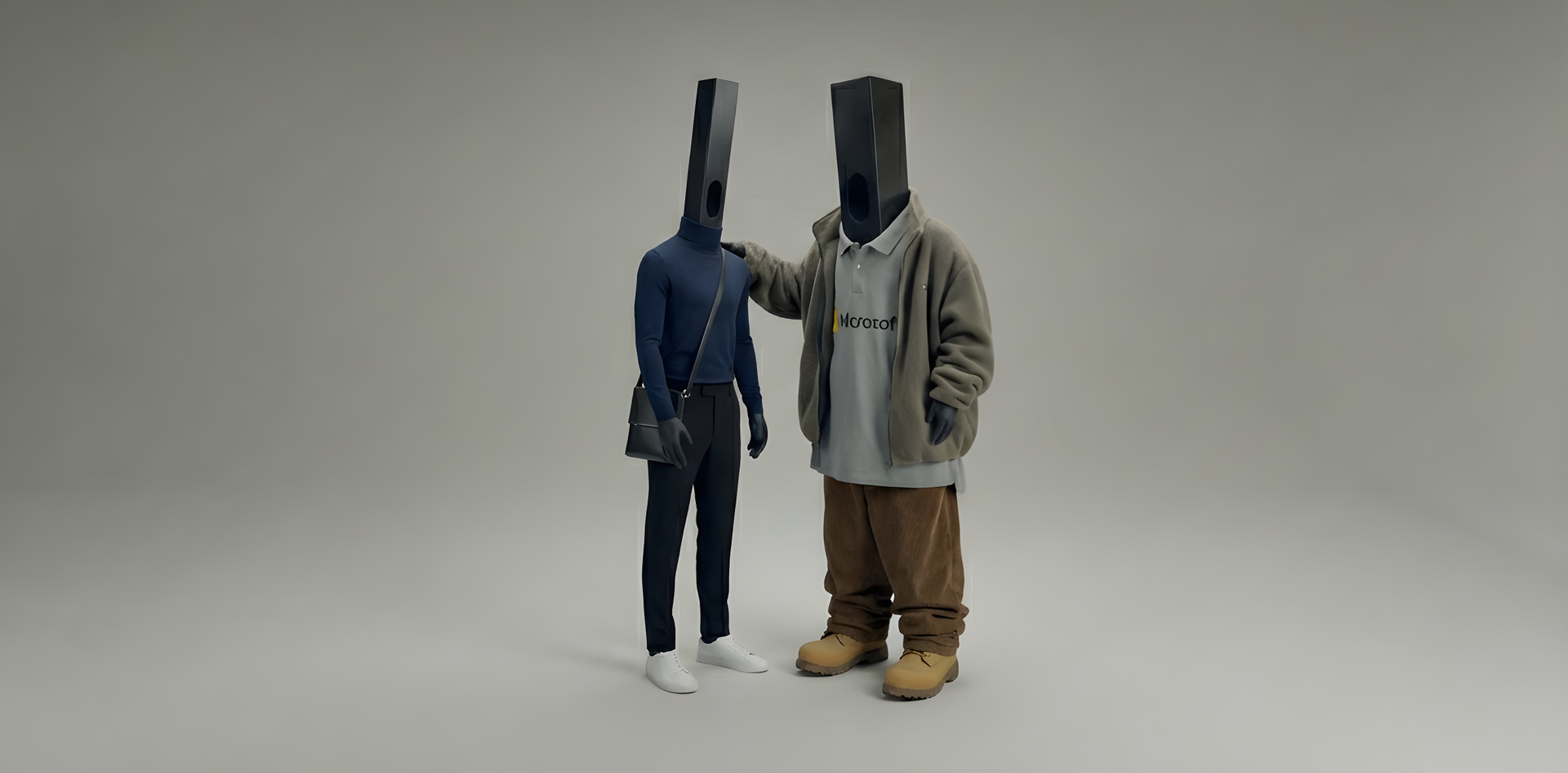
Ladeeda vs OhMy EV charger pedestals comparison - stainless steel vs aluminum

Main Comparison Ladeeda vs. Ohmy


Feature

Ladeeda (Premium Choice)

OhMy 

(Standard Choice)

Why It Matters

Material

 Stainless Steel (SS)

 Aluminum

Stainless steel is 2-3x stronger and much less scratch-prone than aluminum.

Finish

 Qualicoat Powder Coating

 Polyester Paint

Qualicoat is certified for outdoor use and lasts 25+ years. Polyester paint is for indoor use and degrades quickly outdoors.

Lifespan

 25+ years

 5-10 years

A sustainable investment that outlasts the life of your car.

Warranty

  10 years

 2 years

Confidence in the quality and durability of the product.

Weight

  12-15 kg

 5-7 kg

A heavier weight means more stability and resistance to impact. 

In-Depth Analysis

Material & Durability

Stainless Steel (SS) vs. Aluminium
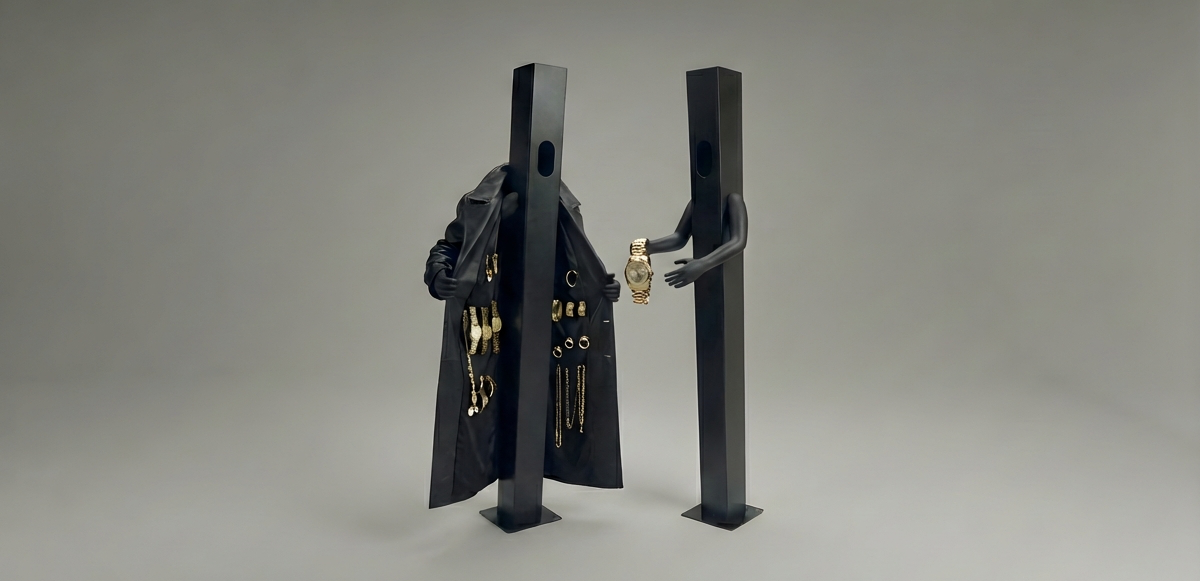
Ladeeda vs OhMy EV charger pedestals comparison - stainless steel vs aluminum

Ladeeda chooses Stainless Steel (SS), and for good reason. SS is an alloy of iron, chromium, and nickel, which makes it extremely strong and corrosion-resistant.

OhMy uses Aluminum. Aluminum is lightweight and cheaper, but has significant disadvantages for outdoor use.


Property

Stainless Steel (Ladeeda)

Aluminum 

(OhMy)

Strength

 Very high (tensile strength 400-600 MPa)

 Low (tensile strength 100-200 MPa)

Scratch Resistance

 Excellent​

 Poor (very scratch-prone)

Corrosion Resistance

 Superior (self-healing chromium oxide layer)

 Good, but prone to pitting corrosion

Weight​

  Heavy and stable (12-15 kg)

 Light and less stable (5-7 kg)

Impact Resistance​

  High (can take a beating)

 Low (dents easily)


Conclusion 

For a product that is outdoors daily and exposed to weather, wind, and potential impact (e.g., a car), Stainless Steel is the only logical choice for durability and a long lifespan.


Finish & Weather Resistance

Qualicoat Powder Coating vs. Polyester Paint

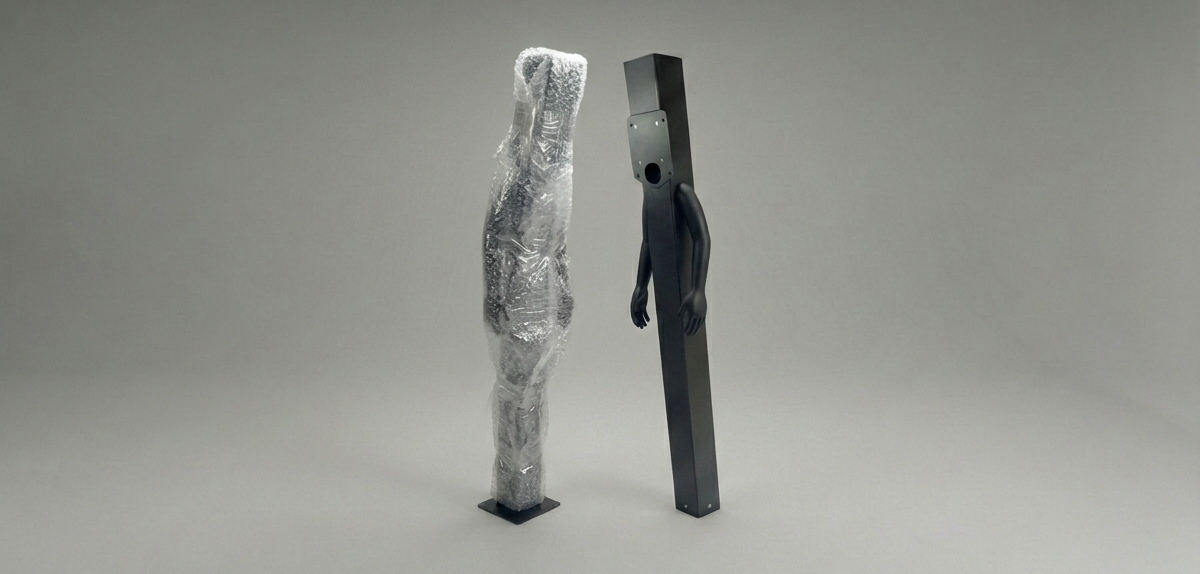
Ladeeda vs OhMy EV charger pedestals comparison - stainless steel vs aluminum

The finish is perhaps the most important part for the lifespan of a metal product that is outdoors. It protects the underlying metal from UV radiation, rain, salt, and temperature fluctuations.

Ladeeda uses Alesta® AP powder coating, a premium coating with Qualicoat Class 1 and GSB Florida 1 certification. This is the gold standard for architectural applications.

OhMy uses a standard polyester paint. Although polyester is better than epoxy for outdoor use, it is not designed for permanent exposure to the elements.


Property

Qualicoat Powder Coating (Ladeeda)

Polyester Paint (OhMy)

Outdoor Lifespan

 25+ years

 5-10 years (often for indoor use)

UV Resistance

 Excellent (GSB Florida 1 certified)

 Moderate (discolors and degrades after 5-7 years)

Salt & Moisture Resistance

 Excellent (ideal for coastal areas)

 Limited (can lead to peeling)

Scratch Resistance

  Excellent (hard, durable layer)

 Moderate

Certification

  Qualicoat Class 1, GSB Florida 1

 None

Maintenance

 Minimal (cleaning with water)

 Regular (chance of repainting after 7-10 years)


Conclusion 

Ladeeda's Qualicoat powder coating is technically superior and offers a 2-3x longer lifespan than OhMy's polyester paint. For a product that is outdoors 24/7, this is the difference between a temporary and a permanent solution.


Business Model

Direct Quality vs. Margin-Driven Compromise

Ladeeda vs OhMy EV charger pedestals comparison - stainless steel vs aluminum

A final, crucial difference lies in the business model. This largely explains the difference in product quality.


Feature

Ladeeda 

(Direct Model)

Ohmy 

(Wholesale Model)

Sales Channel

 Directly to installer & end customer

 Via wholesalers & distributors

Margin Structure

 Full margin stays with Ladeeda

 Margin must be shared with distributor

Focus

 Quality: Room to invest in Stainless Steel & Qualicoat 

 Price: Pressure to save costs (aluminum, polyester paint)

Relationship

  Direct contact, fast service, technical support

 Indirect contact, dependent on distributor


Conclusion 

Ladeeda's direct sales model allows us to invest in superior materials and finishing, because we retain the full margin. A model that works through distributors is constantly under pressure to reduce production costs to pay for the extra link in the chain. This inevitably comes at the expense of quality.


Design & Aesthetics

Hidden Elegance vs. Visible Compromises


Beyond material choice and finish, the design is a crucial differentiator. Ladeeda focuses on a minimalist, sleek aesthetic that seamlessly integrates into any environment.


Feature

Ladeeda 

(Sleek & Minimalist)

Ohmy 

(Standard & Functional)

Base Plate

 Hidden base

 Visible base plate with bolts

Branding

 No branding on the product

⚠️ Logo prominently displayed

Mounting

 Invisible mounting 

 Visible screws and bolts

Cable Passthrough

  Integrated & invisible

Often with extra 'box' or visible passthrough


Conclusion 

Ladeeda's design philosophy is focused on subtlety and elegance. The hidden base, lack of branding, and invisible mountings create a premium look that respects the architecture of a building. OhMy opts for a more functional approach where the construction remains visible.


Price & Transparency

Honest Package Price vs. Hidden Costs​


At first glance, OhMy sometimes seems cheaper, but this is often misleading. Ladeeda uses a transparent all-in price, while OhMy sells components separately.


Feature

Ladeeda 

(Transparent Package)

Ohmy 

(Separate Components)

Sales Model

 Complete package (pole + adaptor plate)

 Pole and adaptor plate sold separately

Price Transparency

 Clear total price

⚠️ Hidden costs (adaptor plate separate)

Total Price (Pole + Adaptor Plate)

Competitive

Seems lower, but is incomplete

Concrete Base

Advantageous in bundle

Significantly more expensive


Conclusion 

For B2B customers, Ladeeda is not only qualitatively superior, but also surprisingly affordable. Where competitors show a low base price, the total B2B price for a complete installation is often higher. For a comparable or even lower price, Ladeeda offers a product with a 2-3x longer lifespan and a better finish. Request your B2B login for the exact price comparison.


Conclusion 

Choose Durability and Quality

The choice between Ladeeda and OhMy is a choice between long-term durability and a cheaper short-term solution.

Choose Ladeeda

if you want a premium, robust, and maintenance-free solution that will outlast your car and still look new after 10 years.

Consider OhMy 

if you are looking for the cheapest option and don't mind potentially replacing or repainting after 5-7 years.

At Ladeeda, we believe in quality without compromise. 

Our pedestals are designed to last a lifetime, so you don't have to worry about your charging station.

Ladeeda vs OhMy EV charger pedestals comparison - stainless steel vs aluminum